Get the App

Search Here ....

Search Here ....

Zulekha Hospital announcement

Neuro Surgery

Our Achievements

Quick Overview
Quick Overview

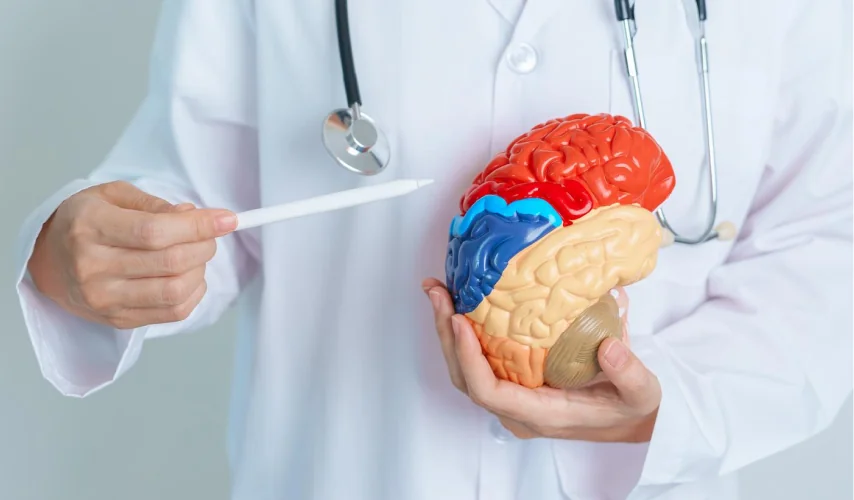
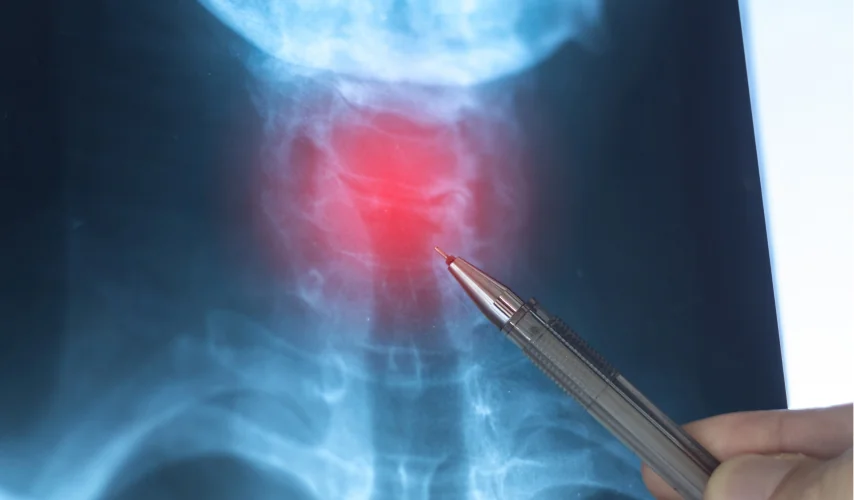
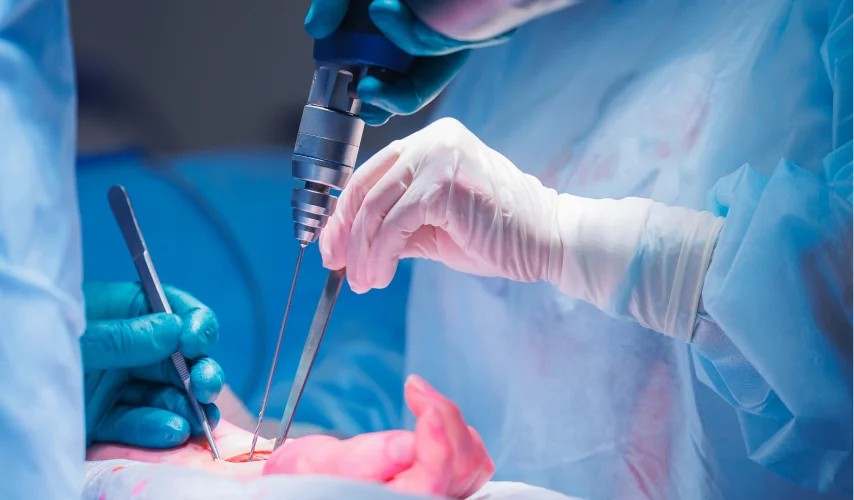
The department of neurosurgery diagnoses and treats conditions involving the brain, spinal cord, and peripheral nerves. We care for patients with spinal disorders, nerve compression, brain tumors, strokes, and traumatic injuries. Every treatment plan is tailored to the patient's condition and individual needs. Care may include observation, medication, rehabilitation, or advanced neurosurgery treatment, depending on the diagnosis. Our team carefully evaluates every case before recommending the most appropriate approach. We focus on improving function, relieving symptoms, and supporting long-term recovery.

0+Total Years in Service
0+Total Patients Treated Yearly
0+Total Specialities
0+Total Expert Doctors

Specialties & Diseases We Treat

Lumbar Disc Disease

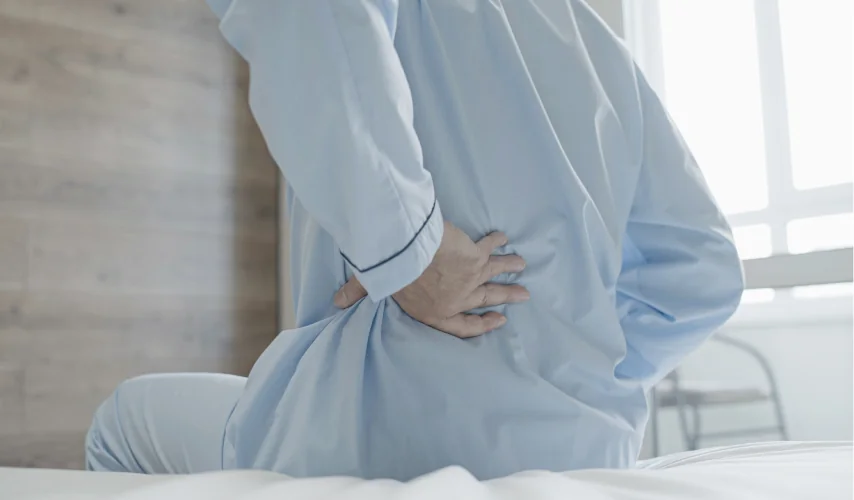
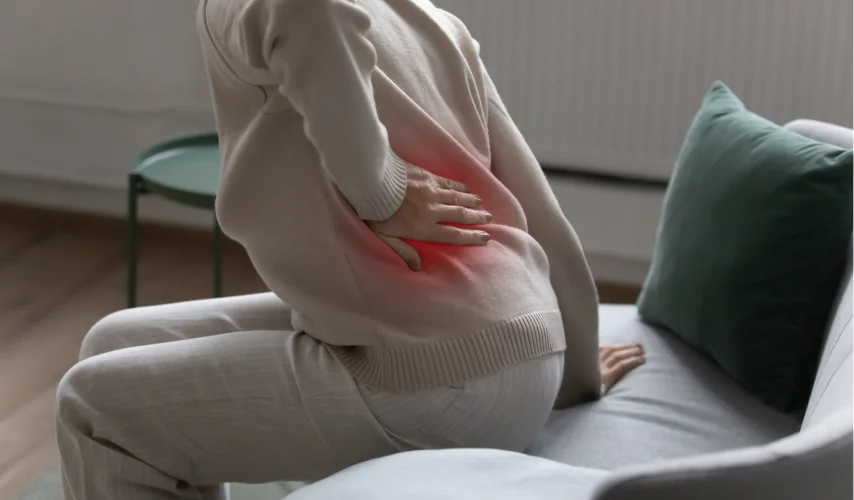
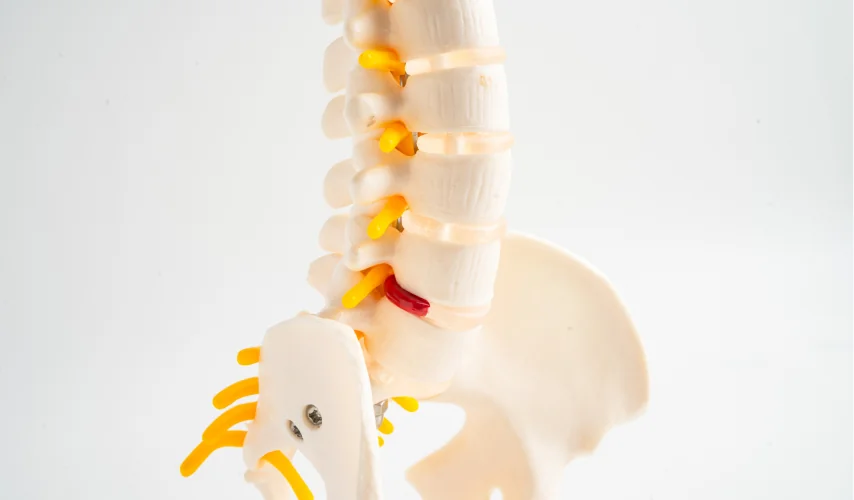
Lumbar disc disease occurs when a spinal disc in the lower back becomes damaged or displaced. It can cause back pain, leg pain, numbness, or weakness that may affect daily activities.

Find Specialist

Our Team of Experts

Treatments & Procedures Offered

Conservative Management of Spine Disorders

Conservative Management of Spine Disorders

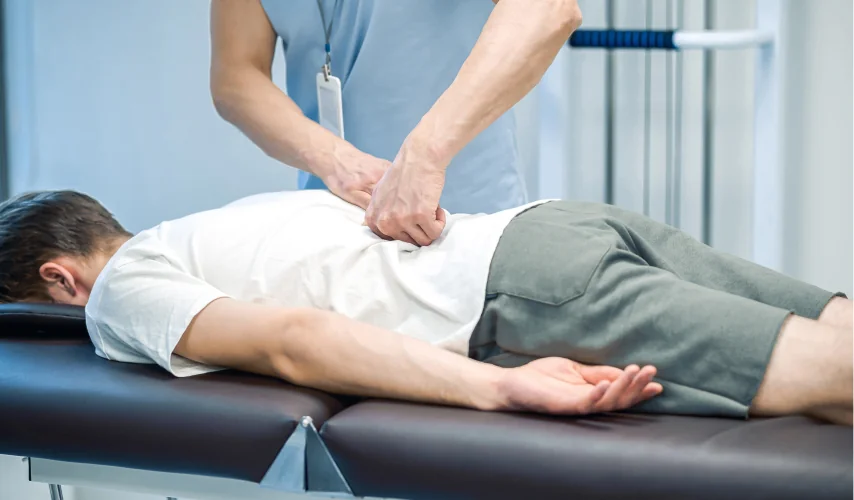
Many spine conditions can be managed without surgery through medication, physiotherapy, lifestyle changes, and rehabilitation. The goal is to reduce symptoms and improve function.

Minimally Invasive Brain and Spine Surgery

Minimally Invasive Brain and Spine Surgery

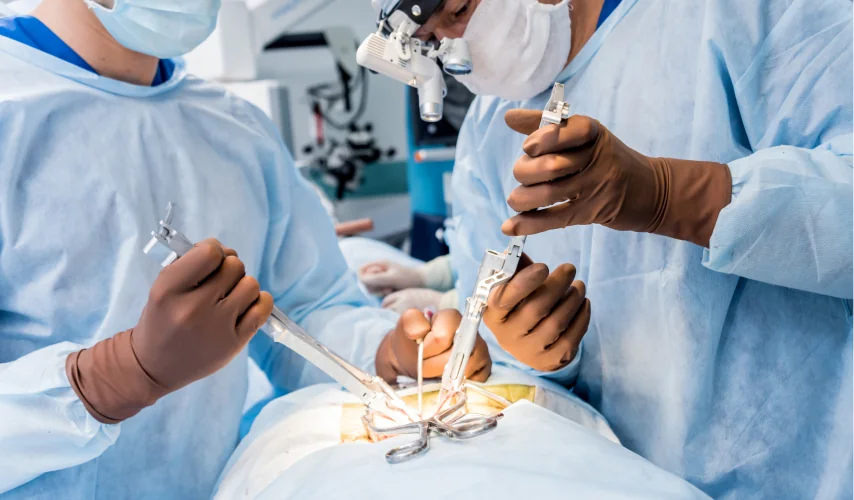
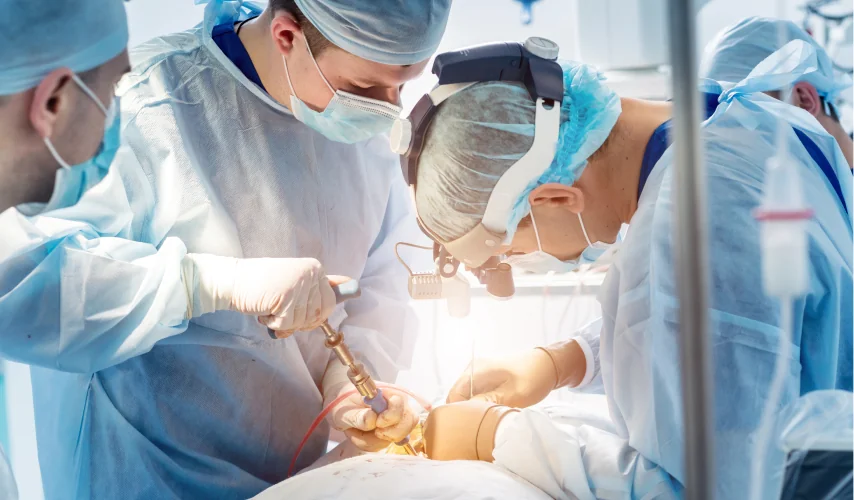
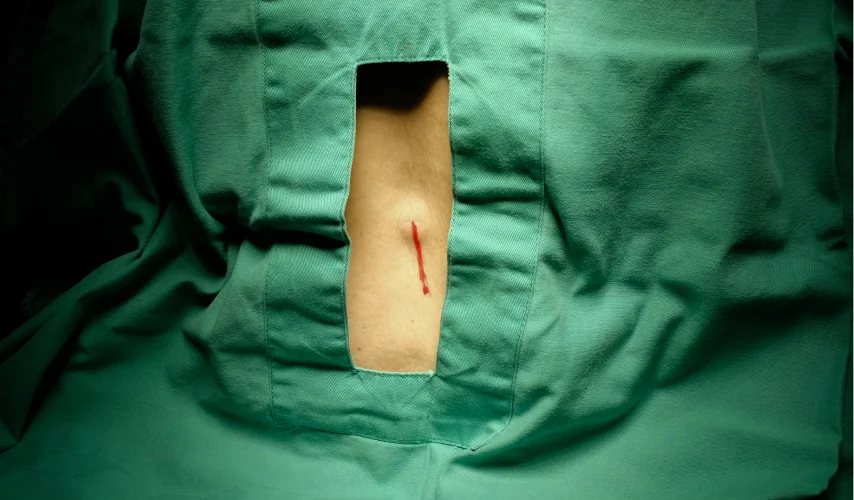
Minimally invasive brain and spine surgery is offered for selected neurosurgical conditions using advanced surgical techniques. Smaller incisions may help reduce tissue disruption, shorten hospital stays, and support a faster recovery when appropriate.

Micro-Discectomy

Micro-Discectomy

Micro-discectomy is a minimally invasive procedure used to remove a portion of a damaged spinal disc. It helps relieve pressure on nearby nerves.

Decompressive Laminectomy

Decompressive Laminectomy

This surgery creates more space within the spinal canal by removing part of the vertebral bone. It is commonly performed for spinal stenosis.

Interbody Fusion

Interbody Fusion

Interbody fusion stabilizes the spine by joining two vertebrae together. It can help reduce pain and improve spinal alignment.

Spinal Instrumentation

Spinal Instrumentation

Spinal instrumentation uses specialized implants to support and stabilize the spine. It is often performed alongside reconstructive spinal procedures.

Anterior Cervical Discectomy

Anterior Cervical Discectomy

This procedure removes a damaged disc in the neck through an anterior approach. It helps relieve pressure on the spinal cord and nerves.

Anterior Cervical Fusion

Anterior Cervical Fusion

Following disc removal, fusion may be performed to maintain spinal stability. The procedure supports long-term alignment and function.

Decompressive Cervical Laminectomy

Decompressive Cervical Laminectomy

This surgery relieves pressure on the spinal cord in the neck region. It may be recommended for advanced cervical stenosis.

Posterior Cervical Fixation

Posterior Cervical Fixation

Posterior cervical fixation stabilizes the cervical spine using specialized implants. It is commonly used after trauma or complex spinal surgery.

Neuro Intensive Care

Neuro Intensive Care

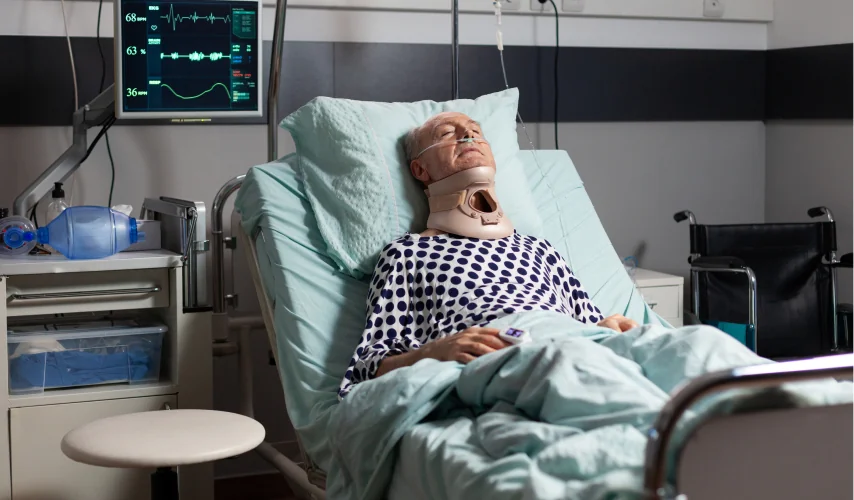
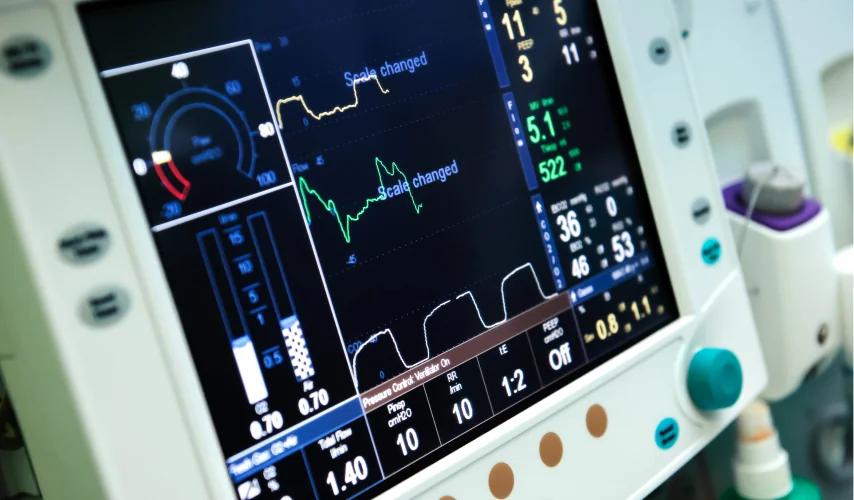
Patients with severe neurological conditions receive close monitoring and specialized care in the neuro intensive care setting. Continuous observation supports timely intervention when needed.

Intra-Cranial Pressure Monitoring

Intra-Cranial Pressure Monitoring

This monitoring technique helps assess pressure levels inside the skull. It is often used in patients with significant brain injuries or swelling.

Craniotomy for Evacuation of Intra-Cranial Bleeding

Craniotomy for Evacuation of Intra-Cranial Bleeding

A craniotomy may be performed to remove accumulated blood within the skull. This procedure helps relieve pressure on brain structures.

Decompression and Fixation of Spine Fractures

Decompression and Fixation of Spine Fractures

Spinal fractures may require surgery to restore stability and protect the spinal cord. Treatment is tailored to the severity of the injury.

Microscopic Repair of Injured Peripheral Nerves

Microscopic Repair of Injured Peripheral Nerves

Microsurgical techniques allow precise repair of damaged nerves. The aim is to support recovery of sensation and function.

Craniotomy for Microscopic Resection of Brain Tumors

Craniotomy for Microscopic Resection of Brain Tumors

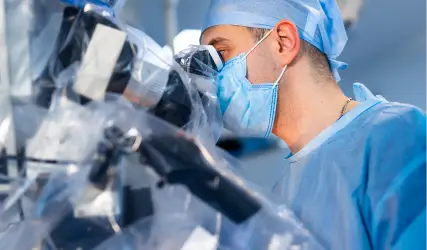
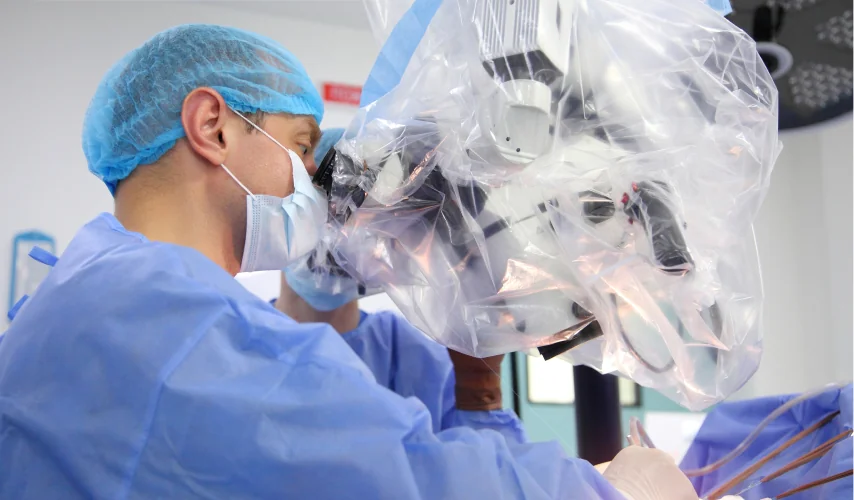
Brain tumor surgery is performed using advanced microscopic techniques for greater precision. The goal is to remove as much of the tumor as safely possible.

Trans-Sphenoidal Surgery for Pituitary Tumors

Trans-Sphenoidal Surgery for Pituitary Tumors

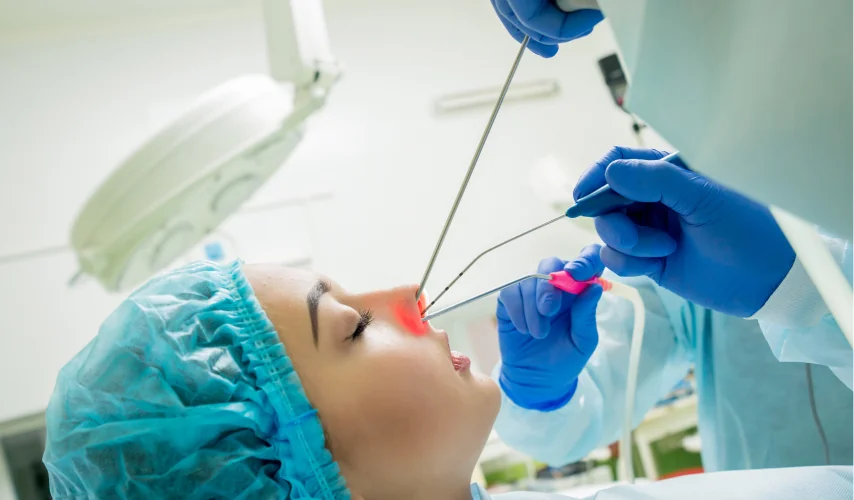
This minimally invasive approach accesses the pituitary gland through the nasal passages. It avoids large external incisions while allowing effective tumor removal.

Laminectomy for Microscopic Resection of Spinal Cord Tumors

Laminectomy for Microscopic Resection of Spinal Cord Tumors

This procedure provides access to spinal tumors while preserving surrounding structures. Microscopic techniques help improve surgical accuracy.

Craniotomy for Evacuation of Clots

Craniotomy for Evacuation of Clots

Clot evacuation surgery may be required in selected cases of brain hemorrhage. The procedure helps reduce pressure and prevent further injury.

Decompression for Major Vessel Ischemic Stroke

Decompression for Major Vessel Ischemic Stroke

In certain severe strokes, decompressive surgery can help manage swelling within the brain. Timely intervention may improve outcomes.

Clipping of Ruptured Aneurysms

Clipping of Ruptured Aneurysms

Aneurysm clipping involves securing the affected blood vessel to prevent further bleeding. It is performed through specialized neurosurgical techniques.

Cerebrospinal Fluid Shunting Procedures

Cerebrospinal Fluid Shunting Procedures

Shunt procedures help divert excess cerebrospinal fluid and reduce pressure within the brain. They are commonly used to treat hydrocephalus.

Surgical Repair of Neonatal Spinal Defects

Surgical Repair of Neonatal Spinal Defects

These procedures address spinal abnormalities present at birth. Early treatment supports neurological protection and development.

Decompressive Surgery for Peripheral Nerve Entrapment Syndromes

Decompressive Surgery for Peripheral Nerve Entrapment Syndromes

Surgery may be recommended when nerve compression symptoms do not improve with conservative care. The procedure relieves pressure on the affected nerve.

Conservative Management of Spine Disorders

Conservative Management of Spine Disorders

Many spine conditions can be managed without surgery through medication, physiotherapy, lifestyle changes, and rehabilitation. The goal is to reduce symptoms and improve function.

Minimally Invasive Brain and Spine Surgery

Minimally Invasive Brain and Spine Surgery

Minimally invasive brain and spine surgery is offered for selected neurosurgical conditions using advanced surgical techniques. Smaller incisions may help reduce tissue disruption, shorten hospital stays, and support a faster recovery when appropriate.

Micro-Discectomy

Micro-Discectomy

Micro-discectomy is a minimally invasive procedure used to remove a portion of a damaged spinal disc. It helps relieve pressure on nearby nerves.

Decompressive Laminectomy

Decompressive Laminectomy

This surgery creates more space within the spinal canal by removing part of the vertebral bone. It is commonly performed for spinal stenosis.

Interbody Fusion

Interbody Fusion

Interbody fusion stabilizes the spine by joining two vertebrae together. It can help reduce pain and improve spinal alignment.

Spinal Instrumentation

Spinal Instrumentation

Spinal instrumentation uses specialized implants to support and stabilize the spine. It is often performed alongside reconstructive spinal procedures.

Anterior Cervical Discectomy

Anterior Cervical Discectomy

This procedure removes a damaged disc in the neck through an anterior approach. It helps relieve pressure on the spinal cord and nerves.

Anterior Cervical Fusion

Anterior Cervical Fusion

Following disc removal, fusion may be performed to maintain spinal stability. The procedure supports long-term alignment and function.

Decompressive Cervical Laminectomy

Decompressive Cervical Laminectomy

This surgery relieves pressure on the spinal cord in the neck region. It may be recommended for advanced cervical stenosis.

Posterior Cervical Fixation

Posterior Cervical Fixation

Posterior cervical fixation stabilizes the cervical spine using specialized implants. It is commonly used after trauma or complex spinal surgery.

Neuro Intensive Care

Neuro Intensive Care

Patients with severe neurological conditions receive close monitoring and specialized care in the neuro intensive care setting. Continuous observation supports timely intervention when needed.

Intra-Cranial Pressure Monitoring

Intra-Cranial Pressure Monitoring

This monitoring technique helps assess pressure levels inside the skull. It is often used in patients with significant brain injuries or swelling.

Craniotomy for Evacuation of Intra-Cranial Bleeding

Craniotomy for Evacuation of Intra-Cranial Bleeding

A craniotomy may be performed to remove accumulated blood within the skull. This procedure helps relieve pressure on brain structures.

Decompression and Fixation of Spine Fractures

Decompression and Fixation of Spine Fractures

Spinal fractures may require surgery to restore stability and protect the spinal cord. Treatment is tailored to the severity of the injury.

Microscopic Repair of Injured Peripheral Nerves

Microscopic Repair of Injured Peripheral Nerves

Microsurgical techniques allow precise repair of damaged nerves. The aim is to support recovery of sensation and function.

Craniotomy for Microscopic Resection of Brain Tumors

Craniotomy for Microscopic Resection of Brain Tumors

Brain tumor surgery is performed using advanced microscopic techniques for greater precision. The goal is to remove as much of the tumor as safely possible.

Trans-Sphenoidal Surgery for Pituitary Tumors

Trans-Sphenoidal Surgery for Pituitary Tumors

This minimally invasive approach accesses the pituitary gland through the nasal passages. It avoids large external incisions while allowing effective tumor removal.

Laminectomy for Microscopic Resection of Spinal Cord Tumors

Laminectomy for Microscopic Resection of Spinal Cord Tumors

This procedure provides access to spinal tumors while preserving surrounding structures. Microscopic techniques help improve surgical accuracy.

Craniotomy for Evacuation of Clots

Craniotomy for Evacuation of Clots

Clot evacuation surgery may be required in selected cases of brain hemorrhage. The procedure helps reduce pressure and prevent further injury.

Decompression for Major Vessel Ischemic Stroke

Decompression for Major Vessel Ischemic Stroke

In certain severe strokes, decompressive surgery can help manage swelling within the brain. Timely intervention may improve outcomes.

Clipping of Ruptured Aneurysms

Clipping of Ruptured Aneurysms

Aneurysm clipping involves securing the affected blood vessel to prevent further bleeding. It is performed through specialized neurosurgical techniques.

Cerebrospinal Fluid Shunting Procedures

Cerebrospinal Fluid Shunting Procedures

Shunt procedures help divert excess cerebrospinal fluid and reduce pressure within the brain. They are commonly used to treat hydrocephalus.

Surgical Repair of Neonatal Spinal Defects

Surgical Repair of Neonatal Spinal Defects

These procedures address spinal abnormalities present at birth. Early treatment supports neurological protection and development.

Decompressive Surgery for Peripheral Nerve Entrapment Syndromes

Decompressive Surgery for Peripheral Nerve Entrapment Syndromes

Surgery may be recommended when nerve compression symptoms do not improve with conservative care. The procedure relieves pressure on the affected nerve.

Diagnostic & Screening Services

Diagnosis of Brain Disorders

Our team evaluates a wide range of brain conditions through clinical assessment and advanced investigations. Findings guide personalized treatment decisions.
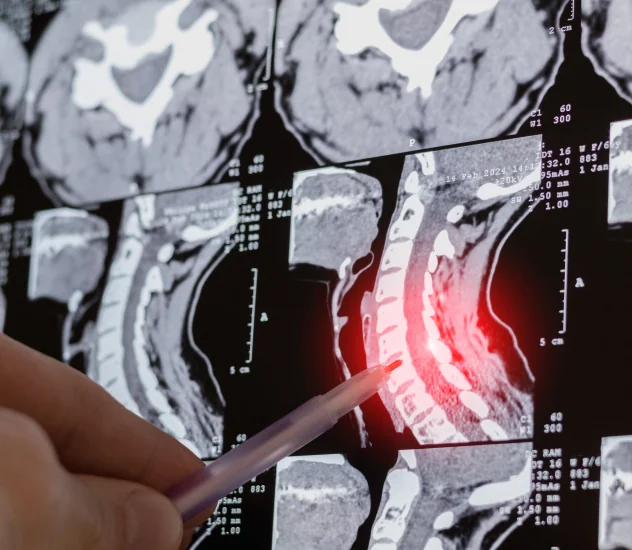
Diagnosis of Spinal Cord Disorders

Spinal disorders are assessed using neurological examination and imaging studies. Early diagnosis can help prevent progression of symptoms.

Diagnosis of Peripheral Nerve Disorders

Peripheral nerve conditions require careful evaluation of symptoms, nerve function, and movement. Detailed assessment helps identify the source of nerve compression or injury.
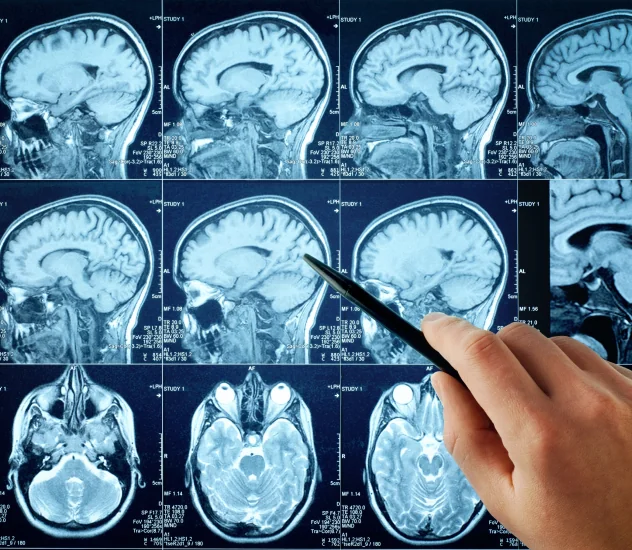
Brain Imaging Analysis

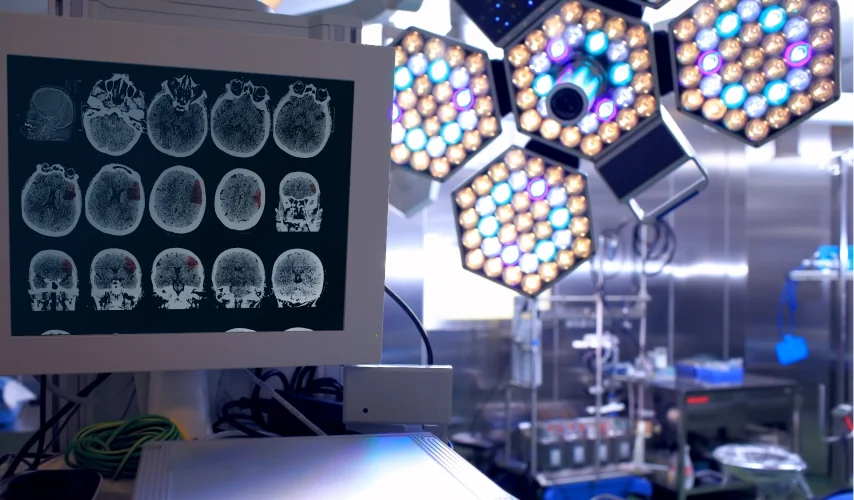
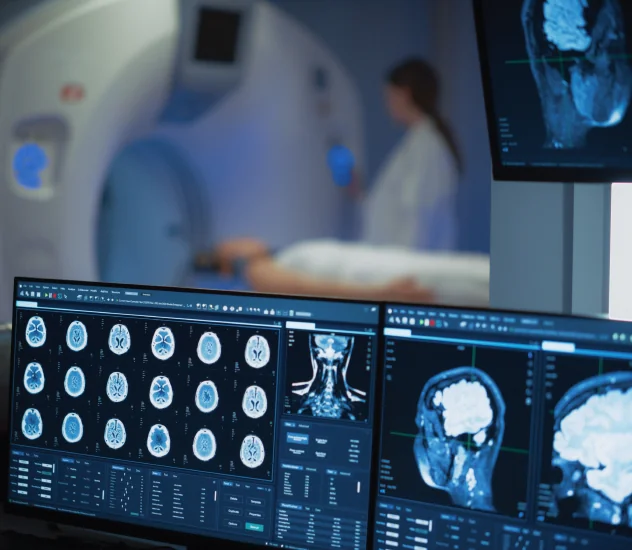
Advanced imaging techniques provide detailed visualization of brain structures. These studies assist in diagnosis, treatment planning, and follow-up care.
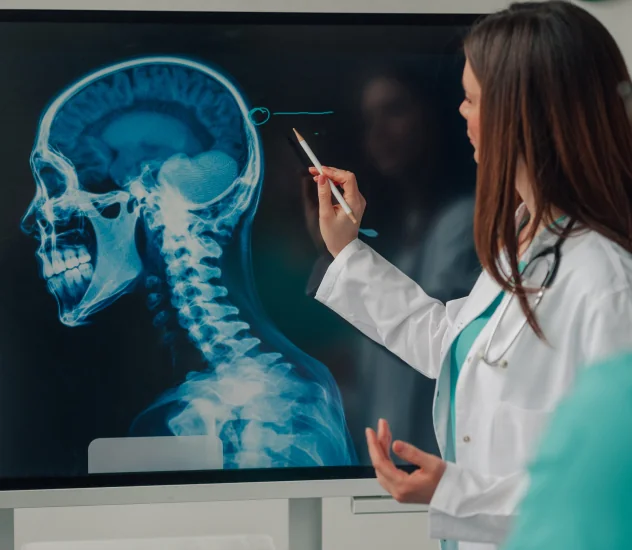
Spine Imaging Analysis

Spine imaging helps assess discs, vertebrae, nerves, and spinal alignment. Detailed analysis supports precise treatment recommendations.

Why Choose Us

Expertise in Brain, Spine and Peripheral Nerve Disorders

Our team manages a broad spectrum of neurological and spinal conditions across all age groups.

Management of Complex Brain and Spine Tumors

We provide comprehensive evaluation and treatment for both primary and metastatic tumors.

Advanced Spine Surgery Capabilities

A wide range of spinal procedures are available to address complex spinal disorders and injuries.

Neuro Intensive Care Support

Dedicated neurological critical care services support patients with serious brain and spine conditions.

Expertise in Neuro Trauma Management

Our specialists are equipped to manage major head and spinal injuries requiring urgent intervention.

Multidisciplinary Support with Interventional Radiology

Collaborative care allows access to advanced treatment options including endovascular aneurysm procedures.

Frequently Asked Questions (FAQs)

You should seek evaluation if you experience persistent back or neck pain, weakness, numbness, balance problems, severe headaches, or neurological symptoms that affect daily life.

No. Many spine disorders can be managed successfully with medication, physiotherapy, rehabilitation, and lifestyle modifications.

The department treats brain tumors, spinal tumors, pituitary tumors, and intra-orbital tumors, along with both primary and metastatic lesions.

Hydrocephalus is a condition where excess cerebrospinal fluid accumulates within the brain, causing increased pressure that may require surgical treatment.

Treatment options may include surgical clipping or endovascular coiling, depending on the aneurysm's location, size, and clinical condition.

Yes. The team evaluates and treats selected cases of hemorrhagic and ischemic stroke that may require neurosurgical intervention.

Insurance Partners

Seamless Care with Broad Coverage.

insurance-partner1
insurance-partner2
insurance-partner3
insurance-partner4
insurance-partner5
insurance-partner6
insurance-partner7
insurance-partner8
insurance-partner9
insurance-partner10
insurance-partner11
insurance-partner12

Our Locations

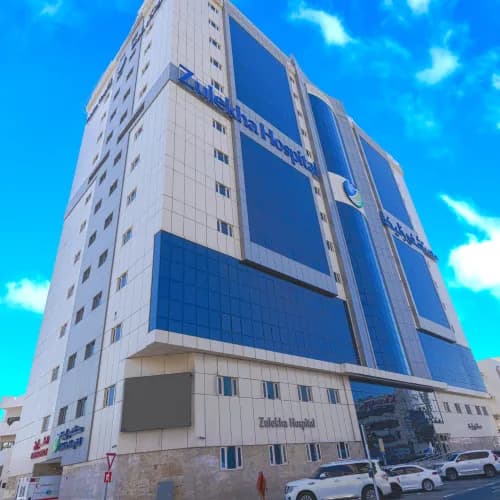
Zulekha Hospital Dubai
(Dubai)

P.O.Box 48577 Doha Street, Al Nadha 2, Al Qusais, Dubai, U.A.E.

Zulekha Hospital Sharjah
(Sharjah)

P.O.Box 457 Sharjah, U.A.E.

Zulekha Medical Centre
(Al Qusais)

149 Damascus Street - Al Twar 5 - Dubai

Zulekha Medical Centre
(Al Khan)

THE GATE Tower- Al Khan - Sharjah

Zulekha Smart Medical Fitness Center
(Al Khan)

THE GATE Tower- Al Khan - Sharjah

Request A Callback

+971