Get the App

Search Here ....

Search Here ....

Zulekha Hospital announcement

Paediatric Intensive Care Unit

Our Achievements

Paediatric Intensive Care Unit

The pediatric intensive care unit (PICU) in Dubai is a dedicated facility designed to care for children with serious illnesses, complex medical conditions, and severe injuries. Operating 24 hours a day throughout the year, the unit is staffed by experienced pediatric critical care specialists, nurses, and multidisciplinary healthcare professionals. Our focus is not only on stabilizing critically ill children but also on supporting families through every stage of treatment and recovery.

0+Total Years in Service
0+Total Patients Treated Yearly
0+Total Specialities
0+Total Expert Doctors

Specialties & Diseases We Treat

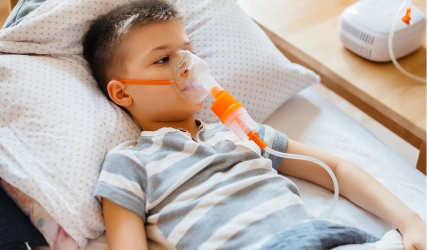
Severe Asthma

Severe asthma attacks can affect breathing and require immediate medical attention. Intensive monitoring and respiratory support help stabilize children during acute episodes.

Find Specialist

Treatments & Procedures Offered
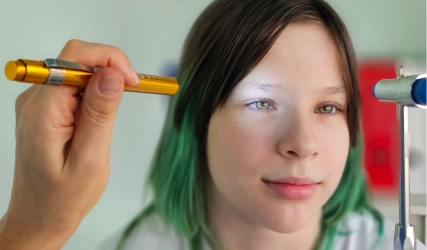
Respiratory Support

Respiratory Support

Respiratory support helps children maintain adequate breathing during serious illness. Treatment is adjusted according to each child's condition.

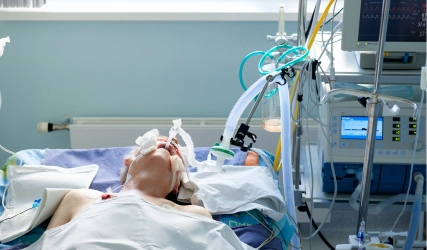
Invasive Ventilation

Invasive Ventilation

Mechanical ventilation may be required when a child is unable to breathe effectively on their own. Continuous monitoring helps ensure safe and appropriate care.

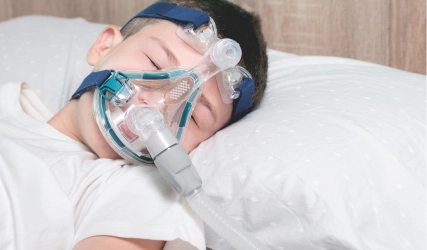
Non-Invasive Ventilation

Non-Invasive Ventilation

Non-invasive ventilation provides breathing support without the need for a breathing tube. It can help improve oxygen levels and reduce respiratory distress.

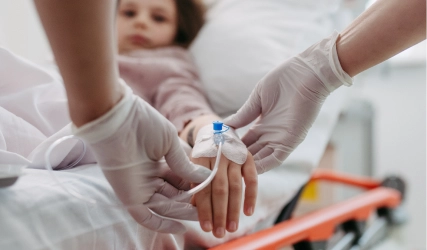
Vascular Access Procedures

Vascular Access Procedures

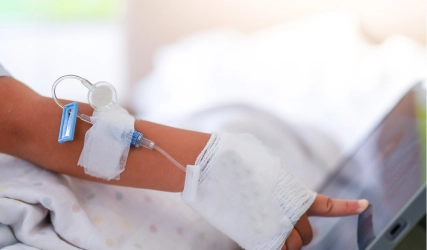
Specialized vascular access allows medications, fluids, and nutrition to be delivered safely. These procedures are performed by experienced clinicians.

Central Line Insertion

Central Line Insertion

Central lines provide secure access to larger blood vessels when intensive treatment is required. They are commonly used in critically ill children.

Surgical Line Insertion

Surgical Line Insertion

Surgical lines may be necessary for long-term treatment or complex medical management. Careful monitoring helps reduce complications.

Chest Procedures

Chest Procedures

Chest procedures may be required to manage conditions affecting the lungs and surrounding structures. Treatment is guided by the child's diagnosis.

Chest Tube Insertion

Chest Tube Insertion

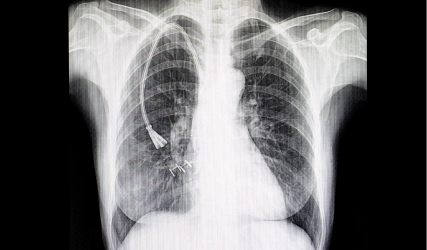
Chest tubes help remove air, fluid, or infection from around the lungs. This can improve breathing and support recovery.

Neurological Care

Neurological Care

Children with neurological conditions receive specialized assessment and monitoring. Care plans are developed in collaboration with pediatric neurology specialists.

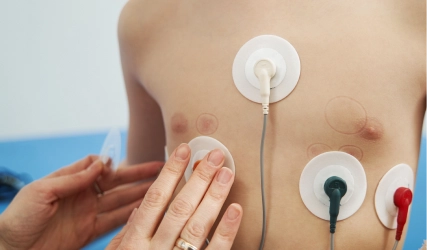
Standard EEG

Standard EEG

EEG testing records electrical activity within the brain. It assists in evaluating seizures and other neurological conditions.

Video EEG

Video EEG

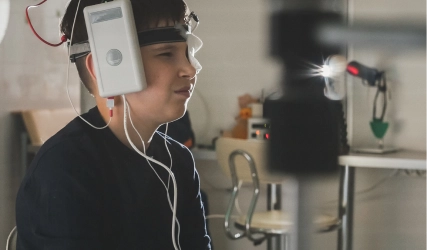
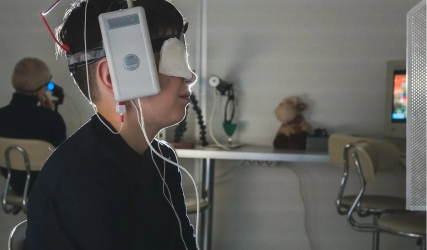
Video EEG combines brain activity monitoring with video recording. This allows specialists to better understand seizure patterns and symptoms.

Interventional Cardiology Procedures

Interventional Cardiology Procedures

Interventional procedures provide treatment options for selected heart conditions without major surgery. Care is coordinated by pediatric cardiology specialists.

Cardiac Catheterisation for Congenital Heart Disease

Cardiac Catheterisation for Congenital Heart Disease

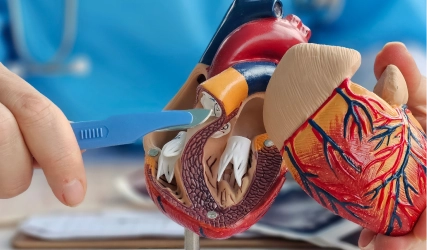
Cardiac catheterisation helps diagnose and treat certain congenital heart defects. The procedure can provide important information about heart function and blood flow.

Device Closure of ASD

Device Closure of ASD

This minimally invasive procedure is used to close selected atrial septal defects. It may reduce the need for open-heart surgery.

Device Closure of VSD

Device Closure of VSD

Certain ventricular septal defects can be treated using catheter-based closure techniques. The approach depends on the child's individual condition.

Device Closure of PDA

Device Closure of PDA

Patent ductus arteriosus may be closed through a catheter-based procedure. This treatment helps improve blood circulation and heart function.

Balloon Dilatation of Aortic Valve

Balloon Dilatation of Aortic Valve

Balloon dilatation helps widen a narrowed aortic valve. The procedure can improve blood flow from the heart.

Balloon Dilatation of Pulmonary Valve

Balloon Dilatation of Pulmonary Valve

This procedure treats narrowing of the pulmonary valve using a balloon catheter. It can help improve circulation between the heart and lungs.

Stenting of Aortic Coarctation

Stenting of Aortic Coarctation

Stenting is used to open narrowed sections of the aorta. This helps improve blood flow throughout the body.

Pacemaker Insertion

Pacemaker Insertion

Pacemakers help regulate abnormal heart rhythms. They may be recommended for children with specific cardiac conditions.

Renal Support

Renal Support

Renal support therapies assist children experiencing kidney-related complications. Treatment is based on the severity of the condition.

Peritoneal Dialysis

Peritoneal Dialysis

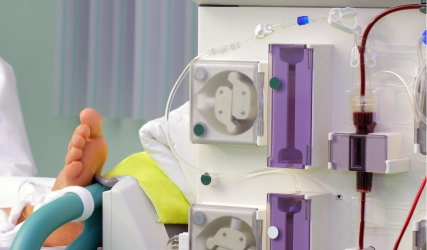
Peritoneal dialysis helps remove waste products and excess fluid when kidney function is compromised. It can be an important part of critical care management.

Nutritional Support

Nutritional Support

Nutrition plays a vital role in recovery and healing during critical illness. Care plans are developed according to each child's requirements.

Total Parenteral Nutrition (TPN)

Total Parenteral Nutrition (TPN)

TPN provides essential nutrients through a vein when regular feeding is not possible. It supports growth, recovery, and overall health.

Paediatric Retrieval and Transfer Services

Paediatric Retrieval and Transfer Services

Our retrieval team stabilizes children requiring specialized intensive care before transfer. The service operates around the clock to support referring hospitals.

Respiratory Support

Respiratory Support

Respiratory support helps children maintain adequate breathing during serious illness. Treatment is adjusted according to each child's condition.

Invasive Ventilation

Invasive Ventilation

Mechanical ventilation may be required when a child is unable to breathe effectively on their own. Continuous monitoring helps ensure safe and appropriate care.

Non-Invasive Ventilation

Non-Invasive Ventilation

Non-invasive ventilation provides breathing support without the need for a breathing tube. It can help improve oxygen levels and reduce respiratory distress.

Vascular Access Procedures

Vascular Access Procedures

Specialized vascular access allows medications, fluids, and nutrition to be delivered safely. These procedures are performed by experienced clinicians.

Central Line Insertion

Central Line Insertion

Central lines provide secure access to larger blood vessels when intensive treatment is required. They are commonly used in critically ill children.

Surgical Line Insertion

Surgical Line Insertion

Surgical lines may be necessary for long-term treatment or complex medical management. Careful monitoring helps reduce complications.

Chest Procedures

Chest Procedures

Chest procedures may be required to manage conditions affecting the lungs and surrounding structures. Treatment is guided by the child's diagnosis.

Chest Tube Insertion

Chest Tube Insertion

Chest tubes help remove air, fluid, or infection from around the lungs. This can improve breathing and support recovery.

Neurological Care

Neurological Care

Children with neurological conditions receive specialized assessment and monitoring. Care plans are developed in collaboration with pediatric neurology specialists.

Standard EEG

Standard EEG

EEG testing records electrical activity within the brain. It assists in evaluating seizures and other neurological conditions.

Video EEG

Video EEG

Video EEG combines brain activity monitoring with video recording. This allows specialists to better understand seizure patterns and symptoms.

Interventional Cardiology Procedures

Interventional Cardiology Procedures

Interventional procedures provide treatment options for selected heart conditions without major surgery. Care is coordinated by pediatric cardiology specialists.

Cardiac Catheterisation for Congenital Heart Disease

Cardiac Catheterisation for Congenital Heart Disease

Cardiac catheterisation helps diagnose and treat certain congenital heart defects. The procedure can provide important information about heart function and blood flow.

Device Closure of ASD

Device Closure of ASD

This minimally invasive procedure is used to close selected atrial septal defects. It may reduce the need for open-heart surgery.

Device Closure of VSD

Device Closure of VSD

Certain ventricular septal defects can be treated using catheter-based closure techniques. The approach depends on the child's individual condition.

Device Closure of PDA

Device Closure of PDA

Patent ductus arteriosus may be closed through a catheter-based procedure. This treatment helps improve blood circulation and heart function.

Balloon Dilatation of Aortic Valve

Balloon Dilatation of Aortic Valve

Balloon dilatation helps widen a narrowed aortic valve. The procedure can improve blood flow from the heart.

Balloon Dilatation of Pulmonary Valve

Balloon Dilatation of Pulmonary Valve

This procedure treats narrowing of the pulmonary valve using a balloon catheter. It can help improve circulation between the heart and lungs.

Stenting of Aortic Coarctation

Stenting of Aortic Coarctation

Stenting is used to open narrowed sections of the aorta. This helps improve blood flow throughout the body.

Pacemaker Insertion

Pacemaker Insertion

Pacemakers help regulate abnormal heart rhythms. They may be recommended for children with specific cardiac conditions.

Renal Support

Renal Support

Renal support therapies assist children experiencing kidney-related complications. Treatment is based on the severity of the condition.

Peritoneal Dialysis

Peritoneal Dialysis

Peritoneal dialysis helps remove waste products and excess fluid when kidney function is compromised. It can be an important part of critical care management.

Nutritional Support

Nutritional Support

Nutrition plays a vital role in recovery and healing during critical illness. Care plans are developed according to each child's requirements.

Total Parenteral Nutrition (TPN)

Total Parenteral Nutrition (TPN)

TPN provides essential nutrients through a vein when regular feeding is not possible. It supports growth, recovery, and overall health.

Paediatric Retrieval and Transfer Services

Paediatric Retrieval and Transfer Services

Our retrieval team stabilizes children requiring specialized intensive care before transfer. The service operates around the clock to support referring hospitals.

Diagnostic & Screening Services
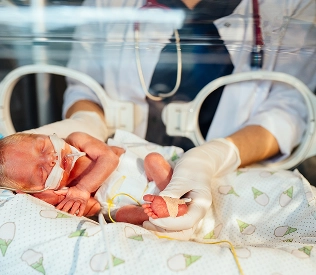
Intensive Monitoring

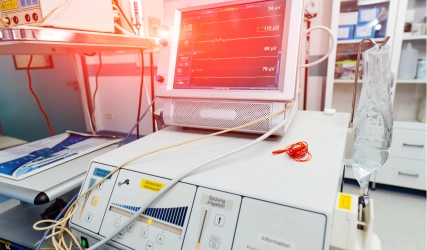
Children in the PICU receive continuous observation of vital signs and clinical status. This allows rapid intervention when needed.

Neurological Diagnostics

Neurological assessments help identify conditions affecting the brain, spinal cord, and nervous system. Testing is tailored to the child's symptoms.
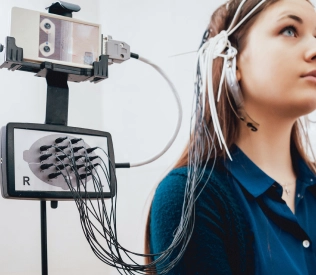
Standard EEG
Standard EEG

Standard EEG testing evaluates brain activity and supports neurological diagnosis. It is commonly used in seizure assessment.
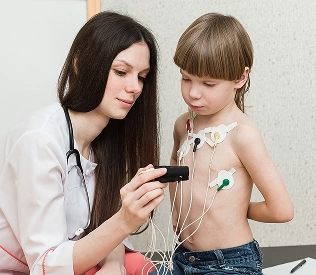
Video EEG
Video EEG

Video EEG provides extended monitoring for children with complex seizure disorders. The combined data helps guide treatment planning.
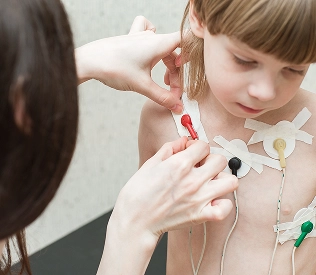
Cardiac Evaluation
Cardiac Evaluation

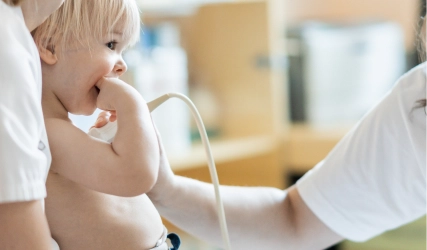
Cardiac assessments help monitor heart function and identify underlying cardiac concerns. Results assist in treatment and recovery planning.
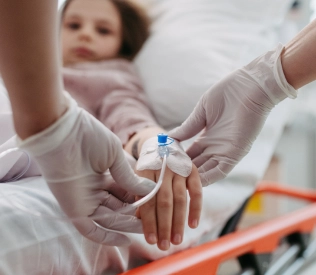
Cardiac Catheterisation

Cardiac catheterisation provides valuable information about heart structure and circulation. It may also be used as part of treatment.
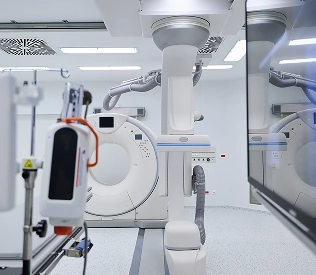
Advanced Imaging Services

Advanced imaging supports accurate diagnosis of complex pediatric conditions. Imaging studies are available whenever clinically required.
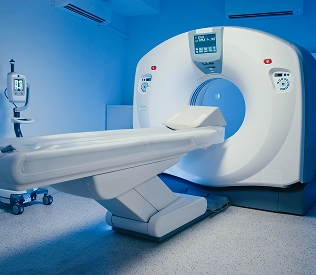
MRI
MRI

MRI provides detailed images of internal organs, soft tissues, and the nervous system. It supports the diagnosis of a wide range of conditions.
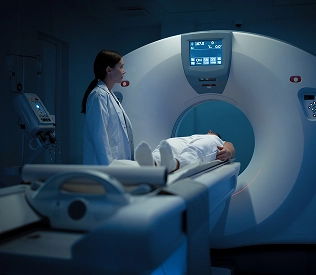
CT Scan
CT Scan

CT imaging offers rapid and detailed evaluation when urgent information is needed. It plays an important role in emergency and critical care.
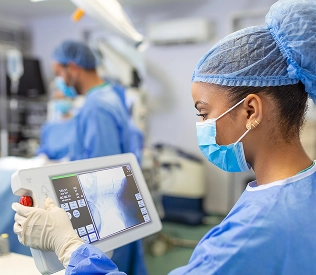
Interventional Radiology Support

Interventional radiology helps guide minimally invasive procedures using advanced imaging technology. It supports both diagnosis and treatment.

Our Advanced Technology

Dedicated Paediatric Intensive Care Unit

The unit is specifically designed to care for critically ill infants, children, and adolescents. Every aspect of care is focused on pediatric needs.
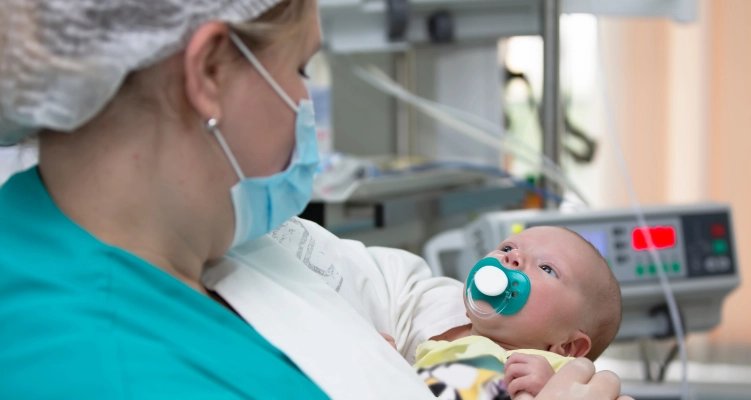
24-Hour PICU Services
Advanced Ventilatory Support Systems
Interventional Cardiology Services
EEG and Video EEG Monitoring
Peritoneal Dialysis Facilities
24-Hour Access to MRI Services
24-Hour Access to CT Scan Services
24-Hour Access to Interventional Radiology Services
24-Hour Paediatric Retrieval Service
Dedicated Paediatric Intensive Care Unit

Why Choose Us

Dedicated Critical Care for Infants, Children and Adolescents

Care is tailored specifically to the medical and developmental needs of young patients.

Experienced Paediatric Critical Care Team

Our consultants, specialists, and nurses bring extensive experience in pediatric intensive care.

24/7 Specialist-Led Care

Children receive continuous care and monitoring from qualified pediatric critical care professionals.

Multidisciplinary Paediatric Support Team

Specialists across multiple disciplines collaborate to provide coordinated and comprehensive care.

Advanced Cardiac Intervention Capabilities

Our team offers a range of interventional cardiology procedures for children with complex heart conditions.

Access to Advanced Diagnostic and Imaging Services

Comprehensive diagnostic support helps guide treatment decisions and ongoing management.

Frequently Asked Questions (FAQs)

A PICU is a specialized hospital unit that provides intensive care for infants, children, and adolescents with serious illnesses, injuries, or complex medical conditions.

Children may require PICU admission if they need intensive monitoring, breathing support, advanced treatments, or care following major surgery or serious illness.

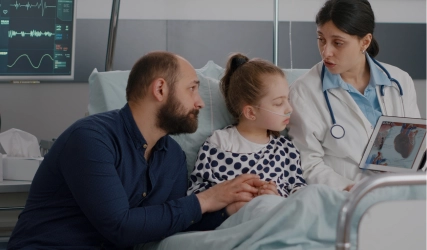
Parents are encouraged to remain involved in their child's care. Visiting policies are explained by the care team to support both the child and family.

The PICU manages severe respiratory illnesses, infections, heart conditions, neurological disorders, surgical cases, and other critical medical emergencies.

Yes. Our team provides interventional cardiology services, including catheter-based procedures for selected congenital heart conditions.

Yes. The PICU operates 24 hours a day, 365 days a year, with specialist-led care available at all times.

Insurance Partners

Seamless Care with Broad Coverage.

insurance-partner1
insurance-partner2
insurance-partner3
insurance-partner4
insurance-partner5
insurance-partner6
insurance-partner7
insurance-partner8
insurance-partner9
insurance-partner10
insurance-partner11
insurance-partner12

Our Locations

Zulekha Hospital Dubai
(Dubai)

P.O.Box 48577 Doha Street, Al Nadha 2, Al Qusais, Dubai, U.A.E.

Zulekha Hospital Sharjah
(Sharjah)

P.O.Box 457 Sharjah, U.A.E.

Zulekha Medical Centre
(Al Qusais)

149 Damascus Street - Al Twar 5 - Dubai

Zulekha Medical Centre
(Al Khan)

THE GATE Tower- Al Khan - Sharjah

Zulekha Smart Medical Fitness Center
(Al Khan)

THE GATE Tower- Al Khan - Sharjah

Request A Callback

+971