Vascular Surgery
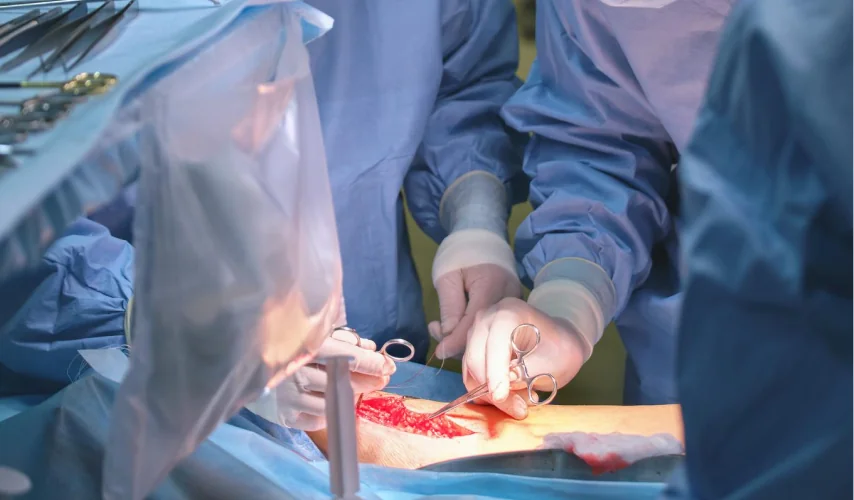
The vascular system is responsible for carrying oxygen-rich blood and nutrients throughout the body. Disorders affecting the arteries, veins, and lymphatic vessels can lead to serious complications, including stroke, limb loss, aneurysm rupture, chronic leg ulcers, and impaired mobility if left untreated. At the Vascular & Endovascular Surgery Department, we specialize in the diagnosis, prevention, and treatment of vascular diseases affecting all parts of the body except the heart and brain. Our experienced vascular surgeons offer a full spectrum of care ranging from medical management and minimally invasive endovascular procedures to complex open vascular surgery. Our goal is to restore healthy blood circulation, relieve symptoms, prevent complications, preserve limbs, and improve long-term vascular health through individualized, evidence-based treatment.
Peripheral arterial disease occurs when narrowed arteries reduce blood flow to the legs or arms, causing pain while walking, numbness, non-healing wounds, or critical limb ischemia. We offer angioplasty, stenting, atherectomy, and bypass surgery to restore circulation.
Find SpecialistVascular Surgery
Vascular Surgery

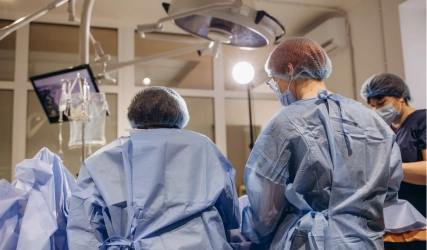


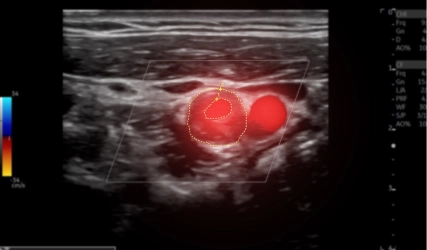
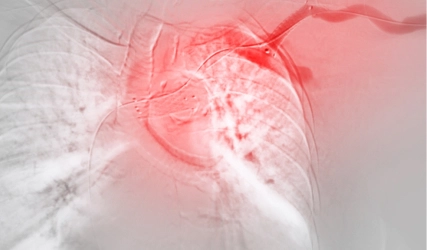
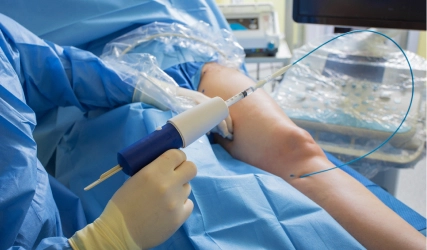
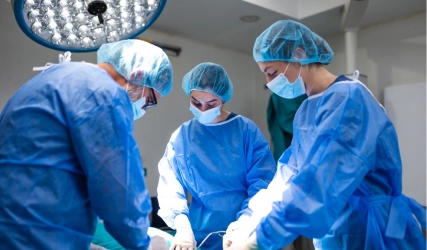
Our board-certified vascular surgeons have extensive experience managing both routine and complex arterial, venous, and lymphatic disorders using open and minimally invasive techniques.
From diagnosis and preventive screening to advanced surgery and rehabilitation, we provide complete vascular care under one roof.
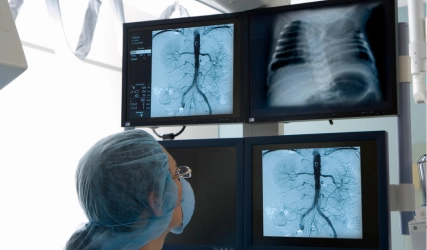
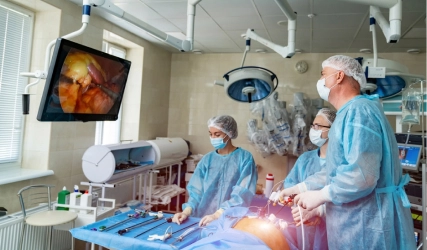
Our specialists perform minimally invasive procedures using state-of-the-art imaging, hybrid operating theatres, and catheter-based technologies that reduce pain, hospital stay, and recovery time.
We offer comprehensive dialysis access creation, maintenance, revision, and salvage procedures to support patients with chronic kidney disease.
Our vascular team works closely with cardiologists, nephrologists, endocrinologists, diabetologists, wound care specialists, and interventional radiologists to deliver coordinated care.
Our specialists are experienced in restoring blood flow, treating diabetic foot disease, and preventing major amputations through comprehensive limb preservation programs.
Our treatment protocols follow internationally recognized vascular surgery guidelines and are supported by the latest evidence and advanced technology.
You should seek vascular evaluation if you experience leg pain while walking, non-healing wounds, varicose veins, leg swelling, numbness, cold feet, blood clots, aneurysms, or require dialysis access.
Vascular surgery includes both traditional open surgery and minimally invasive endovascular procedures. Endovascular surgery uses catheters, balloons, and stents inserted through small punctures rather than large surgical incisions.
Yes. Most varicose veins can now be treated using minimally invasive procedures such as Endovenous Laser Treatment (EVLT), Radiofrequency Ablation (RFA), and sclerotherapy with minimal discomfort and faster recovery.
PAD occurs when plaque narrows the arteries supplying blood to the legs, causing pain during walking, poor wound healing, or critical limb ischemia. Early treatment helps prevent serious complications, including limb loss.
Recovery depends on the procedure. Most minimally invasive endovascular procedures allow patients to resume normal activities within a few days, while open vascular surgery may require a longer recovery period.
Seamless Care with Broad Coverage.