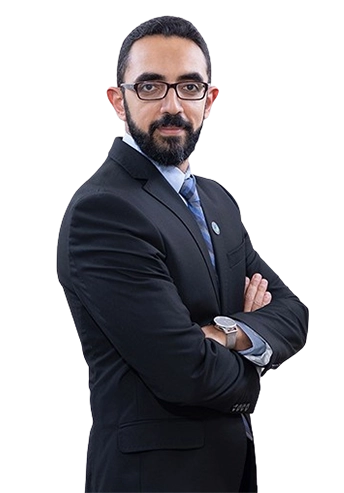
Dr. Mohamed Shehata
Consultant Interventional Cardiology
Cardiology
MBBCH, MD Cardiology, FESC, FSCAI
About Dr. Mohamed Shehata
Dr. Mohamed Shehata is a Consultant Interventional Cardiologist with more than 18 years of experience in managing a wide range of cardiovascular conditions. His practice focuses on both emergency and elective cardiac interventions, helping patients receive timely and effective treatment when it matters most.
Before joining Zulekha Hospital Dubai, Dr. Shehata worked with leading healthcare institutions across the UAE, including Burjeel Specialty Hospital, Thumbay Hospital, and Saudi German Hospital. He has also contributed to medical education as an Associate Professor of Cardiology at Ain Shams University in Cairo, Egypt.
Combining academic excellence with extensive procedural expertise, Dr. Shehata is known for his work in advanced coronary imaging, physiological assessment of heart disease, and minimally invasive cardiac procedures. His dedication to innovation and patient care reflects the qualities expected from a best cardiologist in Dubai.
Educational Qualifications
- MBBCH
- MD Cardiology
- Fellow of the European Society of Cardiology (FESC)
- Fellow of the Society for Cardiovascular Angiography and Interventions, USA (FSCAI)
Special Interests
- Emergency Cardiac Procedures ( Pericardial Tapping, Temporary Pacing)
- Primary Coronary Intervention
- Elective Coronary Intervention
- Coronary Imaging (IVUS, OCT)
- Coronary Physiological Assessment (FFR)
- Noninvasive cardiac procedures (Echocardiography- TMT- Holter)
Research / Publications
- Shehata M. Impact of Trimetazidine on Incidence of Myocardial Injury and Contrast-Induced Nephropathy in Diabetic Patients with Renal Dysfunction Undergoing Elective Percutaneous Coronary Intervention. American Journal of Cardiology. 2014;114(3):389-394.
- Shehata M, Hamza M. Impact of High Loading Dose of Atorvastatin in Diabetic Patients with Renal Dysfunction Undergoing Elective Percutaneous Coronary Intervention: A Randomized Controlled Trial. Cardiovascular Therapeutics. 2015.
- Shehata M. Value of Two-Dimensional Strain Imaging in Prediction of Myocardial Function Recovery After Percutaneous Revascularization of Infarct-Related Artery. Echocardiography. 2014.
- Shehata M. Relation Between Ischemic Threshold Measured During Dobutamine Stress Echocardiography and Coronary Angiographic Features. Kardiologia Polska. 2014.
- Shehata M. Late Re-assessment of Myocardial Viability After Acute Myocardial Infarction: Is There Still a Chance? Experimental & Clinical Cardiology. 2014.
- Shehata M. Atropine First is Safer Than Conventional Atropine Administration in Older People Undergoing Dobutamine Stress Echocardiography. Therapeutic Advances in Cardiovascular Disease. 2014.
- Shehata M. Cardioprotective Effects of Oral Nicorandil Use in Diabetic Patients Undergoing Elective Percutaneous Coronary Intervention. Journal of Interventional Cardiology. 2014.
- Shehata M, Samir A, Dardiri M. Prognostic Impact of Intensive Statin Therapy on N-terminal Pro-BNP Level in Non-ST-Segment Elevation Acute Myocardial Infarction Patients. Journal of Interventional Cardiology. 2017.
- Hashad IM, Hossni NM, Abdel Rahman MF, Shehata M, Shaban G, Gad MZ. C(-260)T Polymorphism in CD14 Receptor Gene of Egyptians with Acute Myocardial Infarction. Current Pharmaceutical Biotechnology. 2018.
- Khalil A, Shehata M, Abdeltawab A, Onsy A. Red Blood Cell Distribution Width and Coronary Artery Disease Severity in Diabetic Patients. Future Cardiology. 2019.
FAQs
Dr. Shehata specializes in interventional cardiology, including coronary angioplasty, emergency cardiac procedures, coronary imaging, and non-invasive cardiac diagnostics.
Yes. He has extensive experience in primary coronary intervention, temporary pacing, and other emergency cardiac procedures for acute heart conditions.
His practice includes IVUS, OCT, and FFR, which help evaluate coronary artery disease with greater precision and support treatment planning.
Yes. He has served as an Associate Professor of Cardiology and has authored numerous peer-reviewed publications in international cardiology journals.
Dr. Shehata speaks both English and Arabic, allowing him to communicate comfortably with a diverse patient population.