
Hope Begins With a Screening
Join hands to beat Breast Cancer
Book Appointment

Cancer may cause pain, it may shock you, it may even make you face your mortality, but it can never take your spirit away.
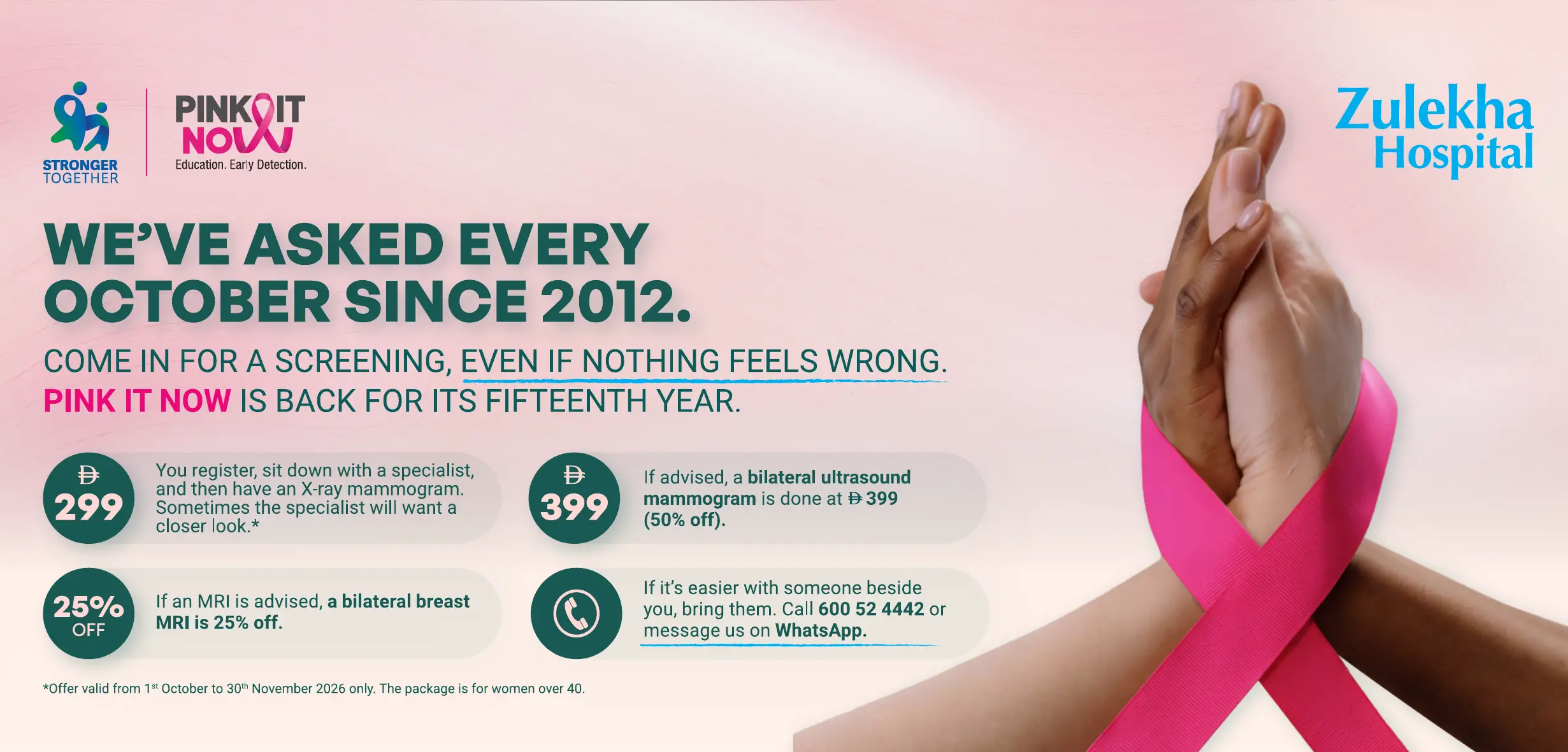
'Pink It Now' is a breast cancer awareness campaign launched by Zulekha Hospital, supported by several other corporate partners in the UAE. The campaign encourages communities to step forward and take up an early screening for breast cancer. Aimed at both men and women across the UAE, the campaign's core message is education and early detection in the fight against breast cancer, with a focus on encouraging regular examination and timely medical tests.
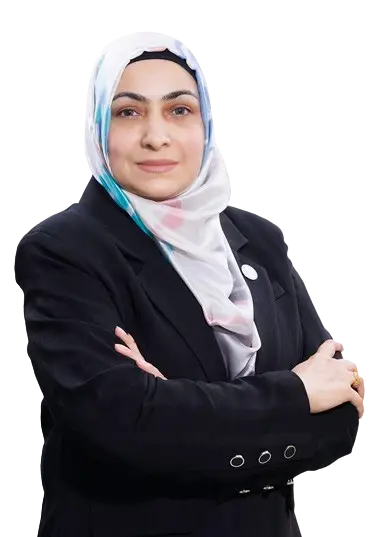
Dr. Pamela Munster is the face of the 'Pink It Now' campaign. A renowned oncologist and a cancer survivor herself, she has devoted her time and energy to raising awareness and leading the fight against breast cancer. A pioneer in breast cancer research, she continues to study better treatment options as a Professor in the Department of Medicine (Haematology/Oncology) at UCSF, and Director of the Early Phase Clinical Trials Unit at the UCSF Helen Diller Family Comprehensive Cancer Center, USA.
Dr. Pamela Munster
Campaign Ambassador
Key Procedures Performed at Zulekha Hospital
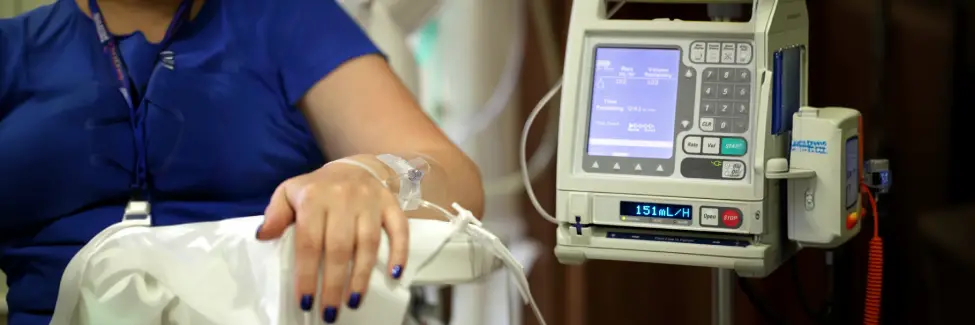
Chemotherapy
Chemotherapy uses medicines to destroy or slow the growth of breast cancer cells. It may be recommended before or after surgery, depending on the type, stage, and characteristics of the cancer. Your oncologist will create a treatment plan based on your individual diagnosis and needs.

Breast Reconstruction
Breast reconstruction is a surgical procedure that helps restore the shape and appearance of the breast after a mastectomy. It can be performed using implants or the patient’s own tissue, depending on individual requirements. Reconstruction may be performed during the same surgery as a mastectomy or at a later stage.
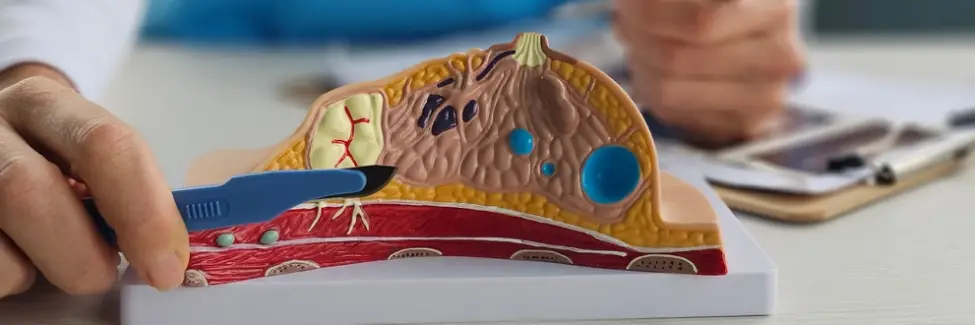
Mastectomy
A mastectomy involves removing part or all of the breast tissue affected by breast cancer. Depending on the diagnosis, different types of mastectomy may be considered as part of the treatment plan. Your breast surgeon will discuss the most appropriate surgical option based on your condition.

Lumpectomy
A lumpectomy removes the breast cancer tumour along with a small margin of surrounding healthy tissue while preserving most of the breast. It is often followed by radiation therapy when recommended. The suitability of a lumpectomy depends on factors such as tumour size, location, and the type of breast cancer.
Immuno Therapy
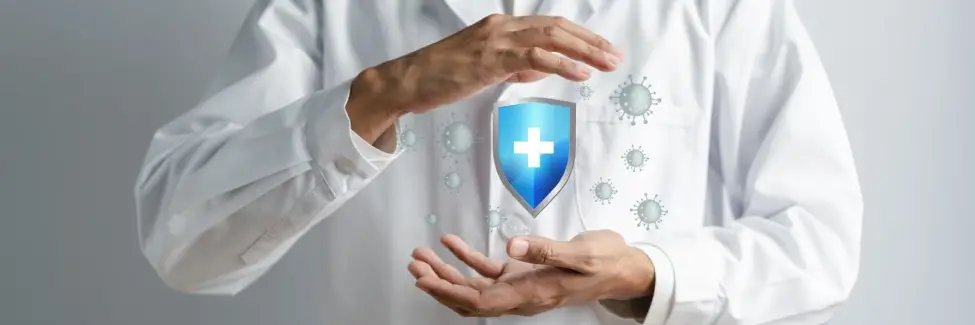
Immunotherapy works by helping the body's immune system recognise and fight breast cancer cells. It may be considered for certain types of breast cancer, particularly when specific characteristics of the tumour make it suitable. Your oncologist will determine whether immunotherapy is appropriate as part of your treatment plan.
Hormone Therapy
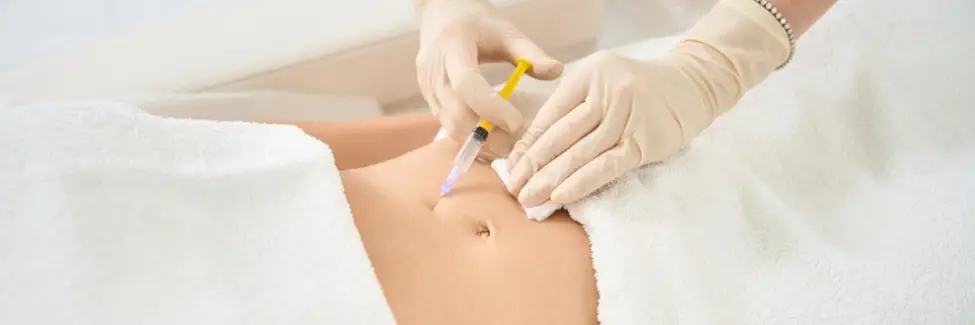
Hormone therapy helps slow or stop the growth of breast cancers that use hormones such as oestrogen or progesterone to grow. It may be recommended before or after surgery and can be used alongside other treatments. The choice of therapy depends on the hormone receptor status of your breast cancer.

Targeted Therapy
Targeted therapy focuses on specific proteins or changes in breast cancer cells that help them grow and survive. It is designed to target these specific characteristics while forming part of a personalised treatment approach. It may be recommended when tests identify specific biomarkers, such as HER2, in the cancer.
Our Specialist















Our Partners

Self Assessment – Five Minutes, Once a Month
Best done 3–5 days after your period ends. You are looking for change, not perfection.
Look in the mirror
Stand with your shoulders straight and your hands on your hips. Compare both breasts for their usual size, shape and colour.
Raise your arms
Raise both arms above your head and look for the same changes, along with any swelling or fluid coming from the nipples.
Feel lying down
Lie down and use your right hand to feel your left breast, then your left hand for your right breast, using firm, smooth, circular motions with the pads of your fingers.
Cover everything
Make sure you cover the entire breast, from top to bottom and side to side, from your collarbone to the top of your abdomen and from your armpit to your cleavage.
Repeat standing
Finally, feel your breasts while standing or sitting, many women find this easiest to do in the shower when the skin is wet and slippery.
Puckering, dimpling, redness, or a nipple that has changed position or turned inward.
Videos
Pink It Now Awareness
Pink It Now Awareness
Pink It Now Awareness
Frequently Asked Questions (FAQs)
Most breast lumps are not cancerous, but only your doctor can help you obtain the tests that determine for sure. The purpose of practicing regular breast self-exams is to know what is ‘normal’ for you. Report any changes to your doctor promptly. Remember the chances of survival when breast cancer is found in later stages are less than 20%!
Every woman is at risk of developing breast cancer, and that risk increases with age. In fact, more than 80% of breast cancers are diagnosed in women who do not have breast cancer in their family.
The sooner a cancer is detected, the easier it will be to treat it. The only way to detect cancer early is by regular screening (Clinical breast exam & Mammogram) according to the guidelines.
Women who decrease their body fat and exercise regularly, more than three hours per week, can decrease their risk of breast cancer by approximately 20%. This may be due to an overall decrease in circulating estradiol [a type of estrogen] that may in turn decrease the stimulation to cells that are potentially pre-cancerous. If a low-fat diet can help decrease a woman's overall body fat, it may indirectly help to decrease her risk.
It's understandable to be confused about breast self-exam, but what's most important is that you're doing it. Because of the fact that you have found something that doesn't feel exactly correct to you, it’s worth seeing your gynaecologist or primary care physician for a good clinical breast exam. You may be feeling tenderness within your breast or armpit area that has a perfectly rational explanation, but using your own sense that something isn't exactly right to guide you to your gynaecologist is certainly appropriate.
Our Locations

Zulekha Hospital (Al Nahda)
Doha St, Al Nahda Second, Al Qusais, Dubai, UAE
 +971 600 524442
 info@zulekhahospitals.com


Zulekha Hospital (Al Nasiriyah)
Al Zahra Street, Al Nasiriyah, Sharjah, UAE
+971 600 524442
info@zulekhahospitals.com
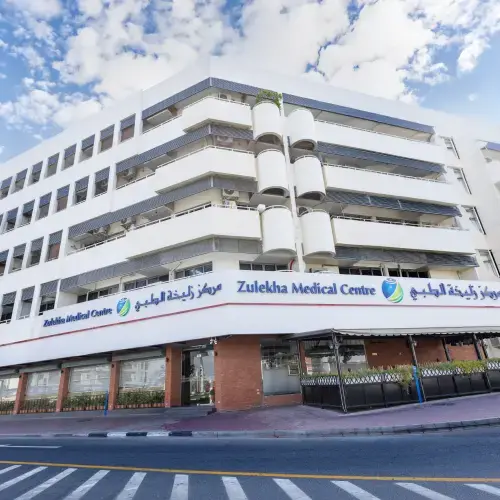
Zulekha Medical Centre (Al Qusais)
149 Damascus Street, Al Twar 5, Dubai, UAE
+971 600 524442
info@zulekhahospitals.com
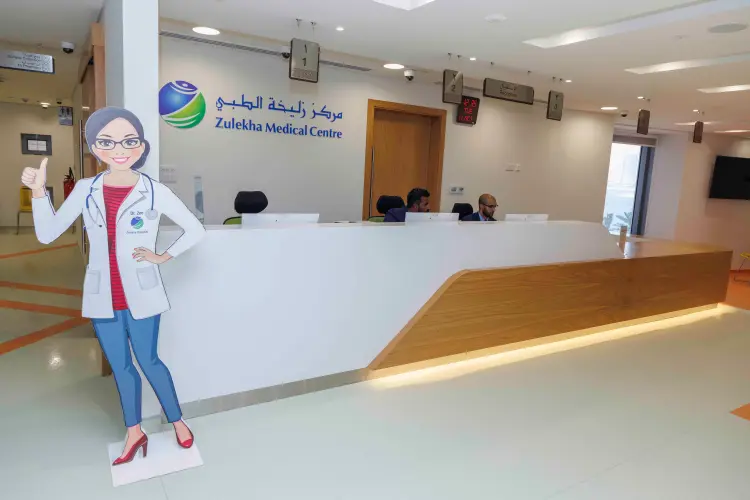
Zulekha Medical Centre Al Khan
The Gate Tower, Al Khan Sharjah, UAE
+971 600 524442
info@zulekhahospitals.com
Start Your Recovery Today
Don't let travel or cost stop you from world-class cancer care. Talk to a specialist today – immediate appointments available.
- ✔ 20,000+ Screenings
- ✔ 10,000+ Free Mammograms
- ✔ 100+ Community & Corporate Outreach Activations